Why Singapore? A 30-Year Love Affair
I first stepped off a plane in Singapore in 1995. The humidity hit me like a wall. The efficiency, cleanliness, and hospitality hit me even harder. Changi Airport was already world-class. The taxi queue was organized with military precision. The driver spoke perfect English. The streets were spotless. The hawker center food was extraordinary. I thought: this is what a functioning city-state looks like.
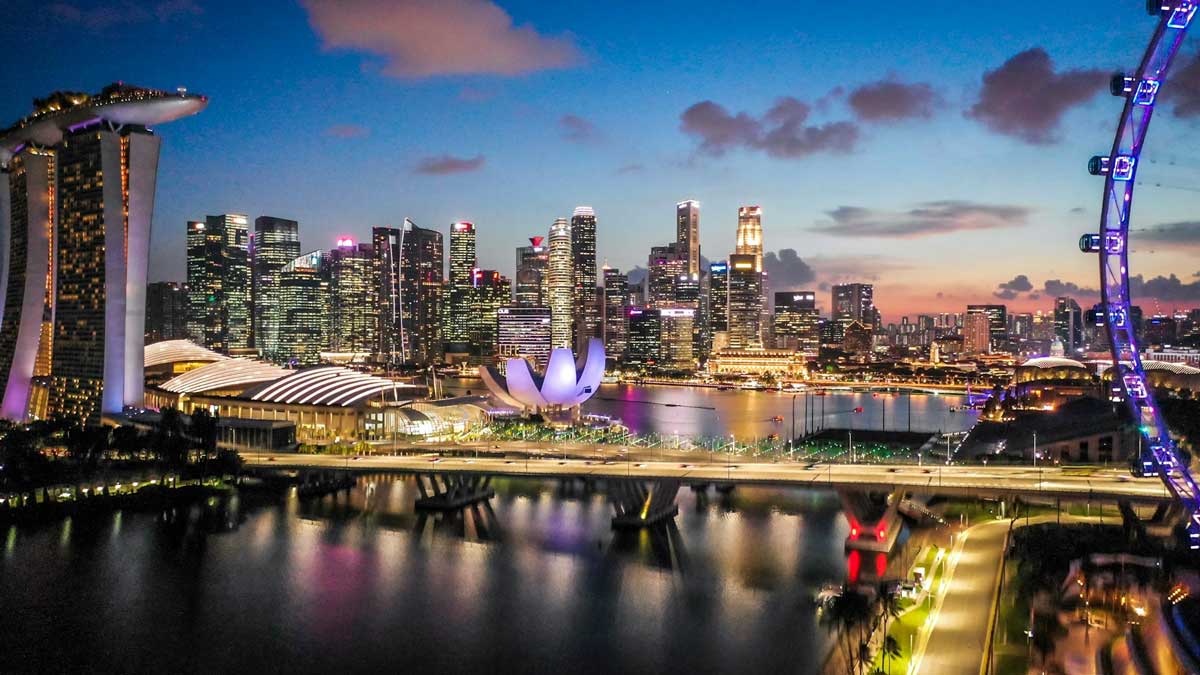
Thirty years later, in 2025, I returned. Changi has expanded. The same efficiency. The same cleanliness. The same extraordinary F&B scene, now with Michelin-starred hawker stalls. Marina Bay Sands transformed the skyline. The MRT expanded exponentially. Fintech unicorns emerged. But the core remained: Singapore still works.
"Singapore has been a test bed for making cities smarter, greener, and more livable. What they've achieved is a template for the 21st century city."
— Lee Kuan Yew, Founding Prime Minister (1923-2015)
This is not nostalgia. This is 30 years of observing a city-state that consistently delivers: efficiency, rule of law, quality of life, and business excellence.
From Third World to First: The Singapore Story
Singapore's transformation is one of the most remarkable in modern history. August 9, 1965: independence from Malaysia. Not by choice. Expelled. No natural resources. No hinterland. A tiny island with 1.9 million people, racial tensions, and limited prospects.
Lee Kuan Yew, Singapore's founding Prime Minister, wrote the playbook: attract foreign investment, build infrastructure, enforce rule of law, invest in education, eliminate corruption, make English the working language, establish meritocracy. Within one generation, 30 years, Singapore went from third world to first world.
By 1995, when I first visited, Singapore was already a developed economy. GDP per capita exceeded many European nations. The port was the world's busiest. Changi Airport was winning every award. Multinational corporations used Singapore as their regional headquarters.
Today, in 2025, Singapore ranks among the world's richest countries by GDP per capita, consistently #1 or #2 in global competitiveness rankings, and remains the undisputed business hub of Asia Pacific.
Singapore Company Formation: Simple, Fast, Efficient
Singapore makes company formation almost effortless. The Accounting and Corporate Regulatory Authority (ACRA) has digitized the entire process. You can incorporate a company from anywhere in the world in under 24 hours.
What You Need
One shareholder minimum. Individual or corporate, any nationality. No local shareholding requirement. 100% foreign ownership permitted in most sectors.
One director minimum (must be Singapore resident). This is the only local requirement. The director must be ordinarily resident in Singapore; either a Singapore citizen, permanent resident, or Employment Pass holder. If you're incorporating from abroad, you'll use a nominee director service.
Company secretary (must be Singapore resident). Mandatory. Must be appointed within 6 months of incorporation.
Registered office address (must be Singapore). Physical address, not PO Box. Serviced offices work perfectly.
Paid-up capital. Minimum SGD 1. Yes, one Singapore dollar. No minimum paid-up capital requirement.
100% foreign ownership is permitted in most sectors. Singapore actively welcomes international entrepreneurs and businesses without imposing local ownership requirements that many other countries demand.
Advantages
- Ease of incorporation. Fully digital process. Incorporation in under 24 hours.
- 17% corporate tax. Competitive rate with generous exemptions for startups and SMEs.
- Territorial tax system. Foreign-sourced income generally not taxed if not remitted to Singapore.
- Extensive treaty network. 90+ double tax treaties. Access to ASEAN markets (650M people).
- Zero capital gains tax. No tax on capital gains from sale of assets or shares.
- No dividend tax for Singapore residents. One-tier corporate tax system.
- Reputation. Singapore company equals credibility in Asia Pacific.
Challenges
- Resident director requirement. Must have at least one Singapore-resident director. Nominee services add cost.
- Annual compliance. Audit required for most companies. AGM mandatory for multi-shareholder companies.
- Higher operating costs. Office space, salaries, and living costs are expensive by regional standards.
- Substance expectations. If claiming treaty benefits, tax authorities expect real economic substance.
- Not a tax haven. 17% tax is competitive but not zero. Singapore prioritizes reputation.
Smart City: The Future is Already Here
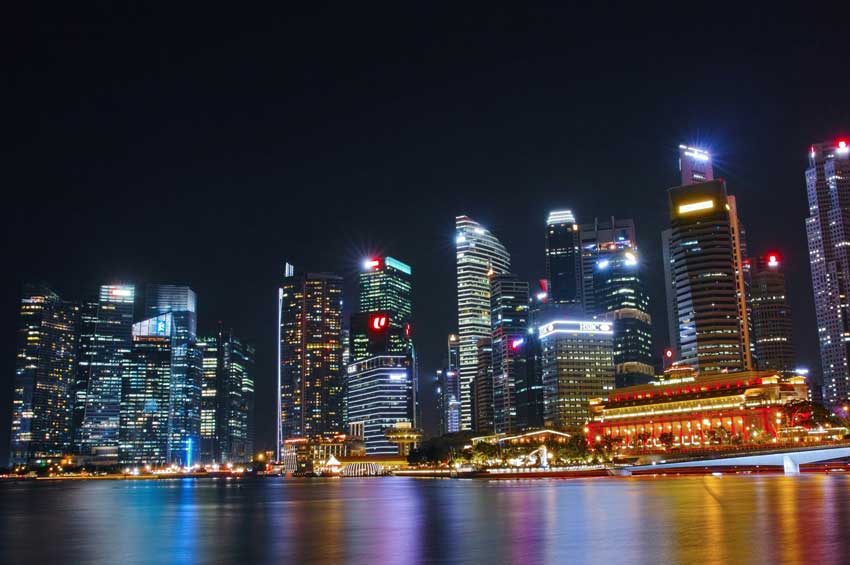
Singapore didn't just talk about becoming a smart city. It built one. The Smart Nation initiative launched in 2014 made Singapore a living laboratory for urban innovation.
E-Government services. Everything is online. Register a business, file taxes, apply for permits, pay bills - all digital, all integrated. SingPass (Singapore Personal Access) is a single digital identity for 1,400+ government and private services.
Cashless payment everywhere. PayNow (instant bank transfer), GrabPay, credit cards. Even hawker centers accept digital payments now.
MRT and transport. The Mass Rapid Transit system expanded from 2 lines in 1995 to 6 lines covering the entire island. Real-time arrival information. Buses are clean, punctual, air-conditioned.
Water sustainability. Singapore solved water independence through NEWater (recycled water) and desalination. The Marina Barrage transformed a river estuary into a freshwater reservoir.
Want to own a car in Singapore? You don't just buy the car. You buy the right to own a car. The Certificate of Entitlement (COE) is a quota system limiting vehicle growth. Every month, COE licenses are auctioned. Winning bid in 2025? Around SGD 100,000+ (USD 75,000+) for a standard car category. That's before you buy the actual car. A Toyota Corolla might cost SGD 150,000 all-in. A BMW 5-Series? SGD 300,000+. This makes Singapore the most expensive place on Earth to own a car, by design. The goal: limit congestion, encourage public transport, reduce emissions. It works.
Quality of Life: Why Expats Stay
Singapore consistently ranks #1 in Asia for quality of life. The Economist Intelligence Unit places it in the top 10 globally.
Safety
Singapore is one of the safest cities on the planet. Low crime rate. Strict enforcement. You can walk anywhere, anytime, with minimal concern. Women jog alone at 11 PM. Kids take public transport to school. Phones sit on cafe tables while owners use the restroom.
Cleanliness
The stereotype is real. Singapore is spotless. Hawker centers are cleaned multiple times daily. MRT stations are immaculate. Public toilets are monitored. This was true in 1995. It's still true in 2025.
Healthcare
Singapore's healthcare system ranks #1 globally by Bloomberg's Health Efficiency Index. High quality, relatively affordable, with both public and private options.
Education
Singapore's education system produces top PISA scores globally. National University of Singapore (NUS) and Nanyang Technological University (NTU) rank in global top 20.
Food & Beverage Scene
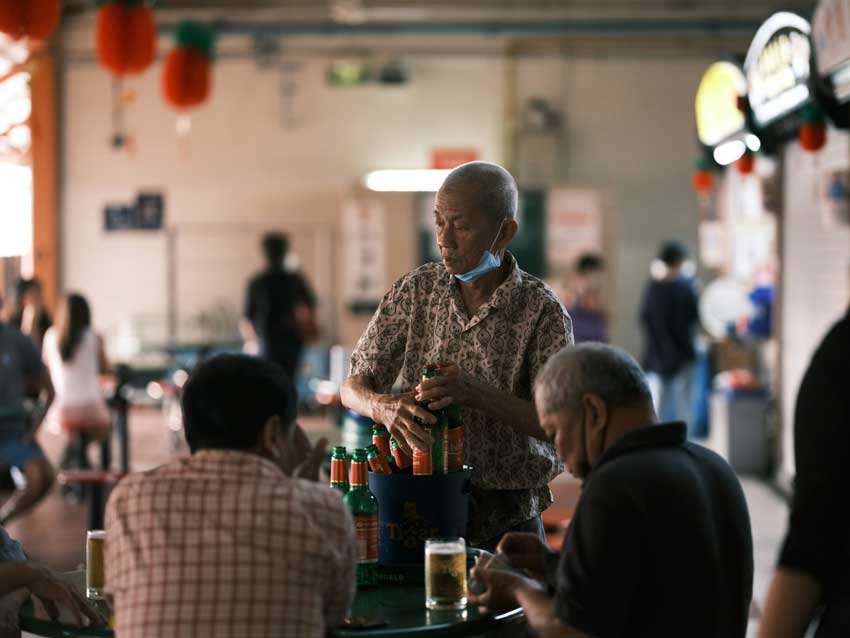
Singapore's F&B scene in 1995 was already exceptional. By 2025, it's world-class. Hawker centers with Michelin-starred stalls. Every cuisine imaginable. Fine dining from celebrity chefs. The food is phenomenal, diverse, and accessible at every price point.
The consistency is remarkable. In 1995, I was amazed by the hawker centers, clean, organized, delicious, affordable. In 2025, the same hawker centers still operate with the same standards, but some now have Michelin stars. The hospitality, cleanliness, and quality haven't degraded, they've evolved upward. This consistency is Singapore's superpower.
Banking: Among the World's Safest
Singapore's banking sector is a pillar of its financial hub status. The Monetary Authority of Singapore (MAS) regulates with precision.
Major Banks
DBS Bank. Development Bank of Singapore. Largest bank in Southeast Asia by assets. Consistently ranked among the world's top 20 banks.
OCBC Bank. Oversea-Chinese Banking Corporation. Second-largest bank in Southeast Asia. Founded 1932.
UOB Bank. United Overseas Bank. Third of Singapore's big three. Regional network across ASEAN.
All three are rated among the world's safest banks by Global Finance's annual rankings.
Legal System: English Common Law in Asia
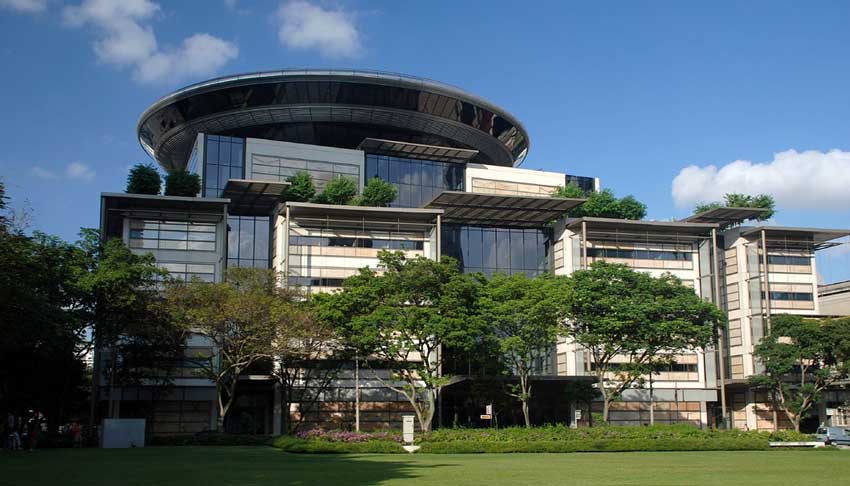
Singapore inherited English common law. The legal system is based on UK precedents. Judiciary is independent, professional, and efficient. Court proceedings are in English. Contracts are enforceable. Disputes are resolved predictably. Arbitration is well-developed. Intellectual property rights are protected.
For international businesses, this certainty is invaluable. Compared to many neighboring countries where legal systems can be opaque or unpredictable, Singapore offers trust.
Regional Access: The ASEAN Gateway
Singapore sits at the crossroads of Asia Pacific trade routes. Within a 3-hour flight: Bangkok, Kuala Lumpur, Jakarta, Ho Chi Minh City, Manila, Hong Kong. Within 6 hours: Beijing, Shanghai, Tokyo, Mumbai, Sydney.
ASEAN market access. Singapore is a founding member of ASEAN. The ASEAN Economic Community creates a single market of 650 million people with combined GDP of USD 3.6 trillion.
Thailand connection. Thailand is a major trading partner. Many Singapore companies operate regional manufacturing or logistics in Thailand (lower costs) while maintaining headquarters in Singapore (better banking, legal framework).
Singapore for headquarters, treasury, and IP holding. Thailand for manufacturing and operations. This two-country structure leverages Singapore's financial infrastructure and Thailand's lower costs, a proven model for regional businesses.
The Singapore Comeback: Continuous Evolution
In the 2010s, some analysts questioned whether Singapore's model was sustainable. High costs, competition from rising cities. Would Singapore remain relevant?
The answer is yes. Singapore adapted.
Fintech hub. MAS created regulatory sandboxes. Fintech startups flourished. Digital banks were licensed. Singapore became Asia's fintech capital.
Deep tech and biotech. Investment in life sciences, quantum computing, AI research. Biopolis and Fusionopolis research hubs attract global talent.
Family offices. Singapore positioned itself for ultra-high-net-worth individuals. Favorable tax treatment. Stable political environment. Quality of life. Wealth management became a pillar sector.
Green finance. Singapore aims to be a green finance hub. ESG standards, sustainable finance frameworks, green bonds.
The comeback isn't from collapse. It's continuous evolution. Singapore in 2025 is more relevant than ever.
Why Set Up in Singapore? The Summary
After 30 years observing Singapore's evolution, here's why it remains a premier choice for Asia Pacific expansion:
🚀 Ease of business. Incorporation in 24 hours. Fully digital government services. Singapore ranks #2 globally in World Bank's Ease of Doing Business. This isn't marketing—it's measurable reality.
💰 Tax efficiency with reputation. 17% corporate tax is competitive. Territorial system means foreign-sourced income can be tax-free. Extensive treaty network (90+ countries). Zero capital gains tax. No dividend tax for residents. Yet Singapore maintains global reputation—not labeled a tax haven. This balance is invaluable.
🌏 Access to ASEAN. 650 million people. USD 3.6 trillion economy. Preferential trade access across Southeast Asia. Singapore is the gateway to the fastest-growing region on Earth.
🏗️ World-class infrastructure. Changi Airport (world's best), seaport (world's busiest), telecommunications, digital infrastructure—all top-tier. No compromises on connectivity or logistics.
🏦 Banking excellence. DBS, OCBC, UOB—three of Asia's safest banks headquartered here. Sophisticated financial services. Multi-currency accounts. Regional treasury management. Singapore is where companies manage Asian cash.
⚖️ Legal certainty. English common law. Independent judiciary. Contracts are enforceable. IP is protected. Disputes are resolved predictably. Rule of law operational, not aspirational.
🌟 Quality of life. Safety (#1 globally). Cleanliness (maintained for 30 years). Healthcare (#1 Bloomberg rankings). Education (top PISA scores). F&B scene (Michelin-starred hawker stalls). Expat talent wants to live here.
🎯 Political stability. Governed by one party since 1965. This provides policy continuity. Businesses can plan long-term without political upheaval risk. The system works.
🗣️ English language. Official language. Business language. Everyone speaks it. No translation needed. No language barrier. This is rarer in Asia than people realize.
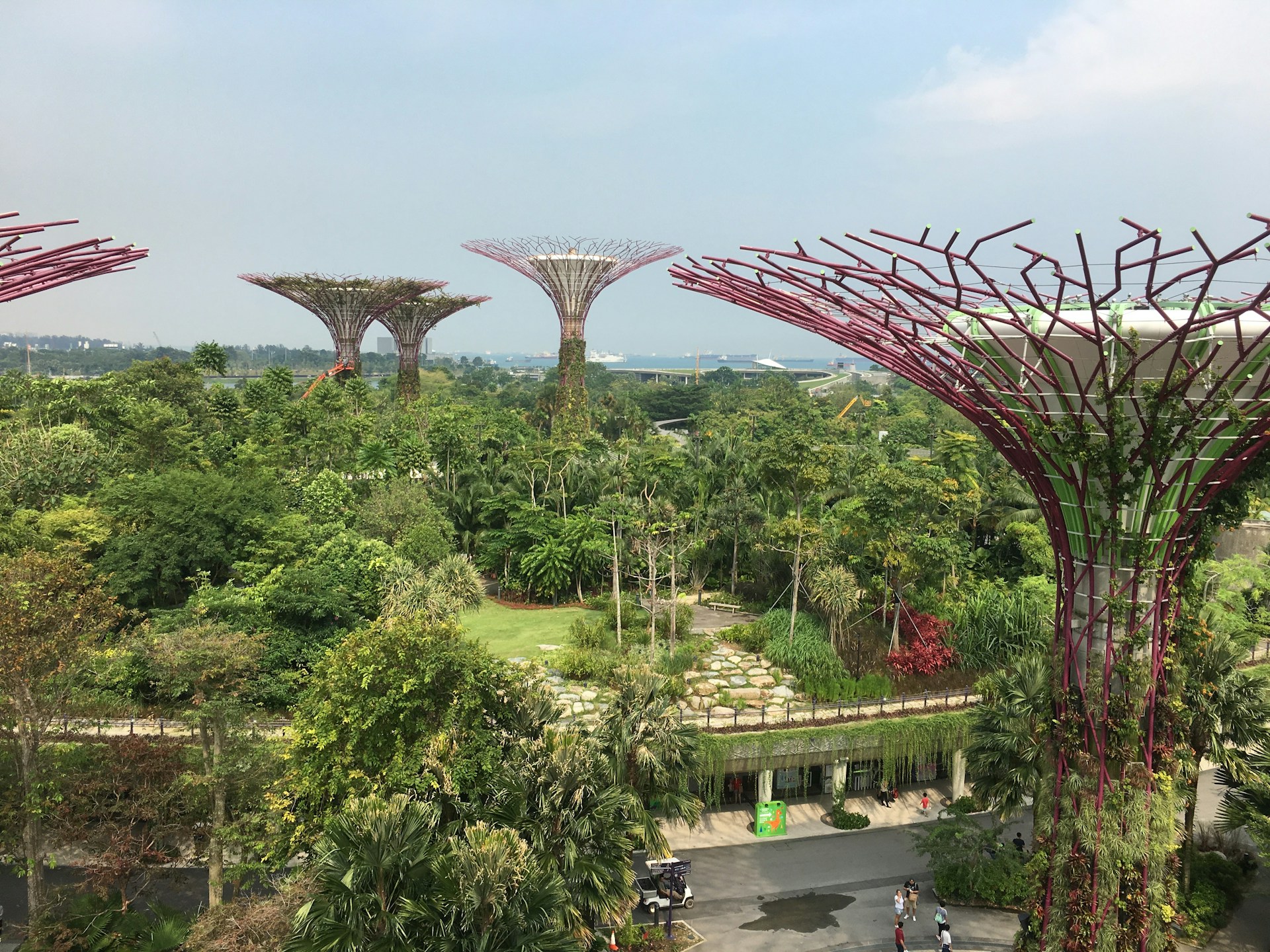
💡 Smart city innovation. Digital government (SingPass). Cashless payments. Efficient transport (MRT). Water sustainability (NEWater). Singapore isn't just maintaining standards—it's pushing boundaries.
From 1995 to 2025, the core promise held: Singapore works. And that's worth everything.
This article reflects personal experience and observations accumulated over 30 years of visiting Singapore. Company formation, tax structuring, and international business are highly fact-specific areas of law and regulation. Tax laws, substance requirements, and compliance obligations change frequently. What was optimal three years ago may not be optimal today.
Always engage qualified legal and tax advisors in both your home jurisdiction and Singapore before making any decisions. Consider your specific circumstances, business model, and long-term objectives.
If you would like to discuss your specific situation and how Singapore might fit your Asia Pacific strategy, reach out through our contact page. We've been helping companies establish Singapore presence since many years that's exactly what we're here for.