The Business Paradise You Never Knew
When I arrived in Mauritius in 2004, it was not for the pristine beaches or the world class scuba diving. I was not there for a honeymoon in paradise. I was there to explore what would become one of Africa's most important business jurisdictions.
Even then, walking through the streets of Port Louis, I could sense this was more than a tropical vacation destination. This was a place where serious business was being done. Where financial services were thriving. Where international corporations were establishing their African headquarters.
During that trip, I had the chance to go scuba diving and explore several dive sites which are truly among the best in the world. The underwater visibility was extraordinary. The coral reefs were pristine. The marine life was abundant. But even underwater, surrounded by tropical fish and crystal clear water, my mind kept returning to what I had seen on land. The sophisticated financial infrastructure. The professional service providers. The serious business culture operating beneath the vacation paradise surface.
Today, more than two decades later, Mauritius has fulfilled that early promise. Ranked 13th globally for ease of doing business. First in Sub Saharan Africa. First in Africa for economic freedom. A jurisdiction where you can incorporate a company in three working days. Where corporate tax is 15 percent with potential effective rates as low as 3 percent. Where 46 double taxation agreements provide access to markets representing 68 percent of the world's population.
This is the Mauritius story. And it is worth telling.
- From Sugar Colony to Financial Hub
- The Legendary Mauritius Stamps
- Innovation Hub and Tech Ecosystem
- Economic Pillars: Diversification Success
- Company Formation: Fast and Efficient
- Ease of Doing Business: Africa's Leader
- Strategic Gateway to Three Continents
- Financial Services Excellence
- Why 1Stop Connect for Mauritius
- Final Thoughts: Paradise with Purpose
From Sugar Colony to Financial Hub
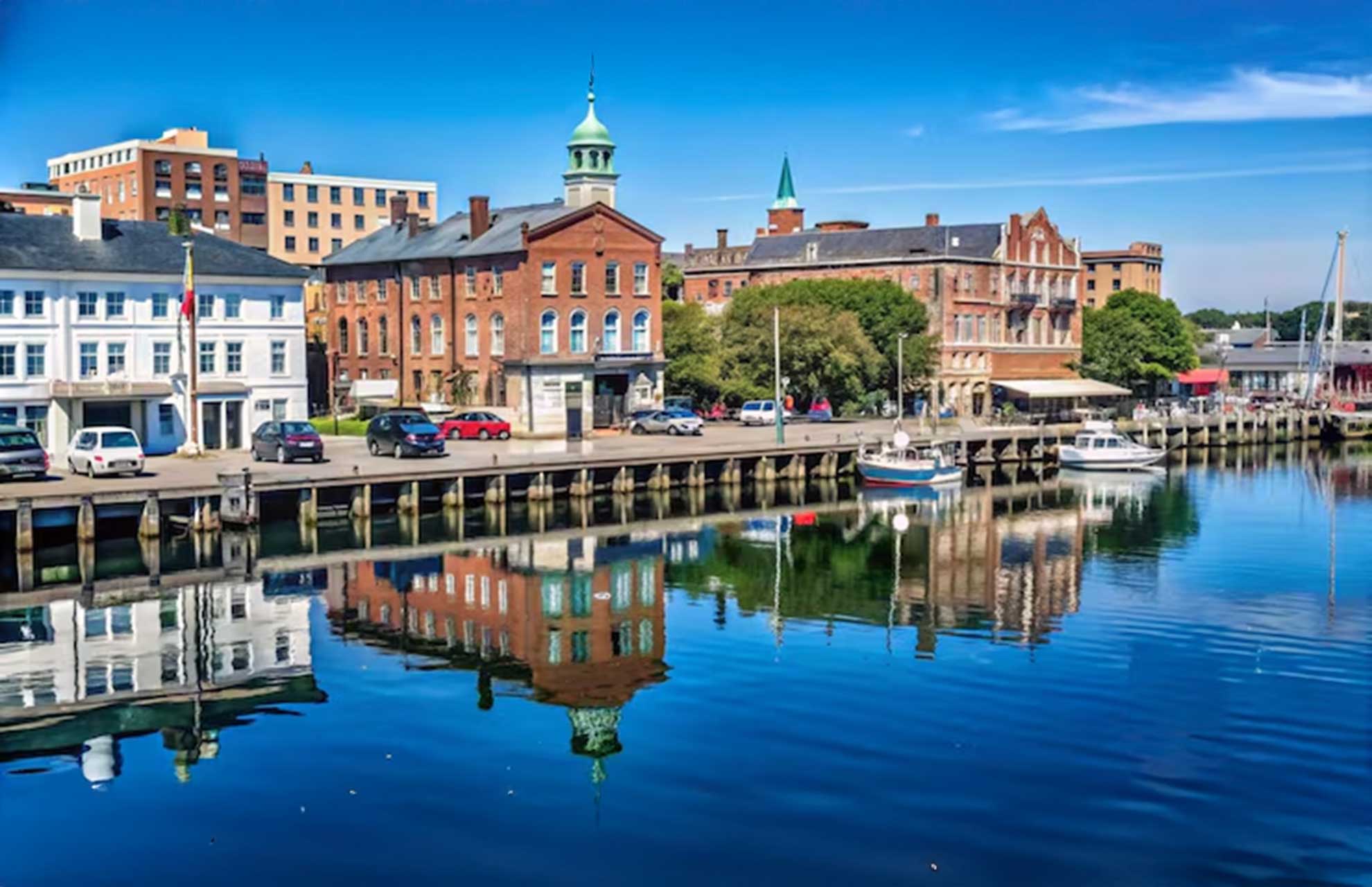
Mauritius has a rich and complex history. The island was uninhabited until the Dutch arrived in 1638. They named it after Prince Maurice of Nassau but abandoned it in 1710 after repeated crop failures and cyclones devastated their attempts at settlement.
The French claimed the island in 1715, renaming it Île de France. Under French rule, the island developed its sugar industry using enslaved labor from Africa and Madagascar. Port Louis became an important strategic port, and the colony flourished.
In 1810, during the Napoleonic Wars, the British captured Mauritius. Under the Treaty of Paris in 1814, the island officially became a British colony. The British retained the name Mauritius (the Latinized version of Maurice) and maintained French civil law and the French language alongside English.
This dual colonial heritage created something unique. A legal system based on English common law for commercial matters but French civil law for personal matters. A population speaking both English and French fluently. A culture that blended European, African, Indian, and Chinese influences.
After the abolition of slavery in 1835, Mauritius brought in indentured laborers from India to work the sugar plantations. These workers and their descendants would eventually form the majority of the population, adding another layer to the island's cultural complexity.
Mauritius achieved independence on March 12, 1968. At that time, the economy was almost entirely dependent on sugar. The transformation has been remarkable. From a sugar monocrop economy to a diversified modern economy. From $300 GDP per capita to $15,700 today. From an agricultural society to a service based economy where financial services contribute 13.3 percent of GDP.
By 2015, the World Bank classified Mauritius as a High Income Economy. The only African country to achieve this status at the time. The government has set an even more ambitious goal: high income status by 2030 under Vision 2030.
The Legendary Mauritius Stamps
Here is a fun fact that most people do not know. Mauritius is home to some of the most valuable postage stamps in the world. And I mean valuable. One stamp sold for $9.6 million in 2021.
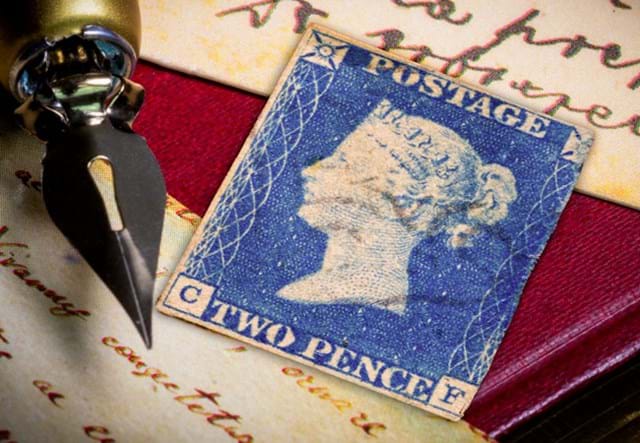
In 1847, Mauritius became the first British colony outside Great Britain to issue postage stamps. The local jeweler Joseph Osmond Barnard, who had stowed away on a ship to Mauritius in 1838, engraved two stamps: a one penny orange red and a two pence deep blue.
The stamps bore the inscription "Post Office" on the left panel, which was later changed to "Post Paid" in subsequent issues. This "Post Office" inscription is what makes these stamps legendary in the world of philately.
Only 500 of each denomination were printed. Many were used on invitations to a ball hosted by the Governor's wife. Today, only 27 specimens survive: 15 of the one penny red and 12 of the two pence blue.
These stamps are among the rarest in the world. They appear in the collections of Queen Elizabeth II, the British Library in London, the Blue Penny Museum in Port Louis, the Museum for Communication in Berlin, and the Postal Museum in Stockholm.
In 1993, a cover bearing both the one penny and two pence Post Office stamps sold for 5.75 million Swiss francs (approximately $4 million at the time). It was called "la pièce de résistance de toute la philatélie" or "the greatest item in all philately."
That record stood until 2021, when another Mauritius cover sold for 8.1 million euros (approximately $9.6 million), making it the most expensive stamp in auction history.
You can visit the Postal Museum in Port Louis to see original specimens. The building itself is a national monument: a mid Victorian style structure erected between 1865 and 1870, converted into a museum in 2008.
Why does this matter for business? Because it illustrates something important about Mauritius. This is a place with history. With cultural depth. With connections to the world that go back centuries. It is not some newly created offshore jurisdiction trying to establish legitimacy. Mauritius has been part of global trade and finance for generations.
The Mauritius Post Office stamps represent more than philatelic value. They symbolize the island's long history of international connections, attention to detail, and commitment to quality. These same values apply to Mauritius as a business jurisdiction today.
Innovation Hub and Tech Ecosystem
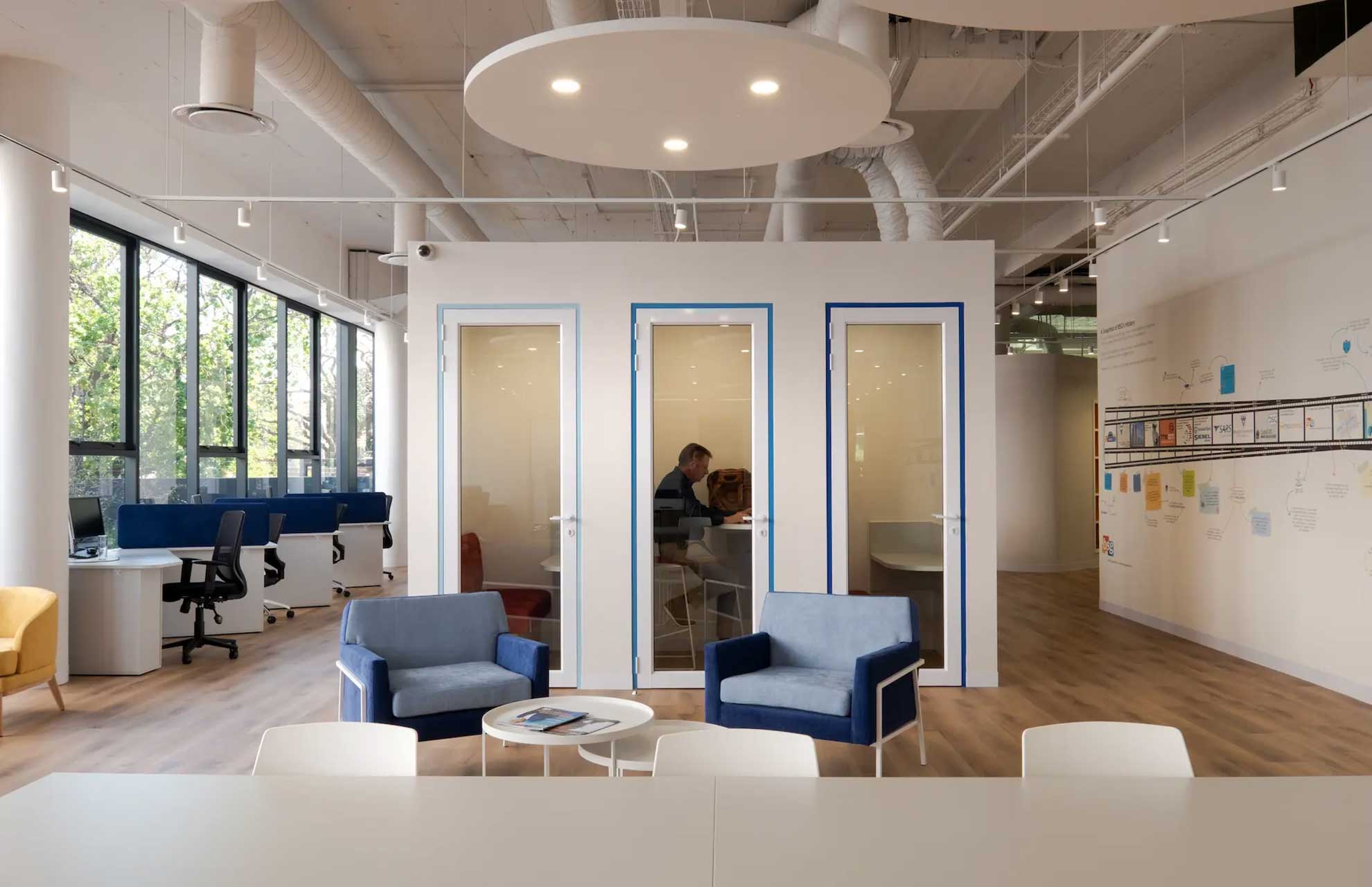
Mauritius is not resting on its laurels. The government has made innovation a strategic priority under Vision 2030. The goal is to transform Mauritius into a high income economy through innovation led growth.
ICT and BPO Sector
The Information and Communications Technology sector is growing rapidly. Mauritius has invested heavily in digital infrastructure. Fiber optic cables connect the island to Africa, Asia, and Europe. Internet penetration is high. Mobile connectivity is excellent.
The Business Process Outsourcing sector is thriving. International companies establish operations in Mauritius to serve African, European, and Asian markets. The skilled bilingual workforce (English and French) is a major advantage.
Software development companies are emerging. Digital marketing agencies serve international clients. Data analytics firms process information for global corporations. E-learning platforms deliver education across time zones.
Fintech Ecosystem
Mauritius is positioning itself as a fintech hub. The Financial Services Commission has created regulatory frameworks for digital payments, blockchain technology, and cryptocurrency businesses.
Fintech startups are launching. Payment processors are establishing regional headquarters. Blockchain companies are building Africa focused solutions. The combination of financial services expertise and technology infrastructure creates opportunities.
Renewable Energy
Mauritius is investing in renewable energy. Solar farms are being developed. Biomass energy from sugarcane waste is being utilized. Wind energy facilities are being planned. The government provides incentives and supports public private partnerships.
This creates business opportunities in green technology, energy consulting, and sustainable development projects.
Medical and Wellness Tourism
High end medical facilities are being established. Aesthetic surgery centers attract international patients. Specialized hospitals provide advanced treatments. Wellness retreats combine tourism with health services.
This sector creates year round demand and supports the broader tourism ecosystem.
Startup Support
The government supports entrepreneurship through various initiatives. Incubators and accelerators operate in Port Louis and other cities. Funding programs assist early stage companies. Regulatory reforms reduce barriers to entry.
Mauritius is becoming an attractive location for African startups seeking a stable, well regulated environment with access to international markets.
Mauritius aims to achieve high income status by 2030 through innovation, sustainable industry, and strong global partnerships. The government is creating an ecosystem where technology, finance, and traditional industries work together to drive growth.
Economic Pillars: Diversification Success

Mauritius has successfully transformed from a monocrop sugar economy to a diversified modern economy. Let me break down the key sectors.
Services Sector: The Dominant Force
Services now contribute 65.8 percent of GDP and employ 71.2 percent of the workforce. This includes financial services, tourism, ICT, professional services, and trade.
Financial services alone contribute 13.3 percent of GDP. This includes offshore banking, fund administration, insurance, wealth management, and corporate services.
Tourism: The Visible Industry
Tourism is what most people think of when they hear Mauritius. And for good reason. The island attracts over 1.4 million visitors annually.
Luxury resorts dot the coastline. Eco tourism operations showcase the island's unique biodiversity. Cultural tourism highlights the multicultural heritage. Adventure tourism offers diving, hiking, and water sports.
Tourism creates employment, drives infrastructure development, and generates foreign exchange. It remains a critical pillar of the economy.
Sugar: The Historical Foundation
Sugar built Mauritius. At independence in 1968, agriculture (primarily sugar) contributed 23 percent of GDP. Today, it contributes just 3.4 percent.
But sugar has not disappeared. Mauritius still produces sugarcane, though the industry has modernized. Sugar exports continue. And interestingly, sugarcane waste is now used for biomass energy production, linking the traditional industry to the renewable energy future.
Gemstone Industry: Emerging Sector
This is a lesser known fact. Mauritius has a small but growing gemstone industry. Local gemstones are cut and polished. International gem traders use Mauritius as a base for African operations.
While not a major contributor to GDP, the gemstone sector represents the kind of niche, high value industries that Mauritius can attract.
The Ocean Economy
Mauritius is developing its ocean economy. This includes sustainable fishing, aquaculture, marine biotechnology, seabed exploration, and ocean based tourism.
The vast ocean territory provides resources that Mauritius is learning to develop sustainably.
Company Formation: Fast and Efficient
This is where Mauritius excels. And this is where 1Stop Connect provides critical value.
Global Business Company Structure
The Global Business Company (GBC) is the primary offshore corporate structure in Mauritius. It replaced the previous Global Business License categories (GBL1 and GBL2) with a unified framework.
A GBC is a company incorporated in Mauritius that conducts business primarily outside Mauritius. It can be used for holding companies, trading companies, investment vehicles, intellectual property holding, and international services.
Key Features of GBC
Incorporation Speed: A GBC can be incorporated in as little as 3 working days under normal circumstances. For urgent matters, same week incorporation is possible.
No Minimum Capital: There is no minimum share capital requirement. You can capitalize the company based on your actual business needs.
Ownership: 100 percent foreign ownership is permitted. No local directors or shareholders required. Corporate shareholders and directors are allowed.
Privacy: While beneficial ownership information must be disclosed to authorities (as required by international standards), this information is not publicly available.
Flexibility: GBCs can be used for various business activities including trading, consulting, holding investments, and providing services.
Tax Treatment
This is the attractive part. GBCs are subject to a 15 percent corporate tax rate on most income. However, for foreign source income, GBCs may qualify for a deemed foreign tax credit, reducing the effective tax rate to approximately 3 percent.
There is no capital gains tax. No inheritance tax. No withholding tax on dividends paid to non resident shareholders in most cases.
Profits can be freely repatriated. There are no exchange controls.
Substance Requirements
Here is the important part that many service providers gloss over. To benefit from tax advantages and treaty access, your GBC must have substance in Mauritius.
This means adequate employees, adequate expenditure, and core income generating activities conducted in Mauritius. The level of substance required depends on the nature and scale of your business.
For passive holding companies, the requirements are minimal. For active trading companies, more substantial presence is needed.
This is where working with experienced advisors like 1Stop Connect becomes critical. We ensure your structure has the appropriate substance for your intended activities.
Double Taxation Agreements
Mauritius has 46 Double Taxation Avoidance Agreements with countries around the world. These agreements reduce or eliminate withholding taxes on dividends, interest, and royalties.
The most famous is the India Mauritius treaty, which has been used extensively for investment into India. While this treaty was amended in 2016 and again in 2024 to introduce anti avoidance measures, it still provides benefits for legitimate business structures with proper substance.
Other important treaties include those with China, South Africa, France, UK, Singapore, and UAE.
Formation Process
The process is straightforward. Choose a company name and check availability. Prepare incorporation documents (Constitution, registration forms). Submit documents to the Registrar of Companies. Obtain Certificate of Incorporation (typically 3 working days). Apply for Global Business License if conducting regulated activities. Open corporate bank account.
The total cost depends on the complexity of your structure and services required, but basic incorporation starts at reasonable rates.
The days of zero substance offshore companies are over. If you want to use Mauritius effectively, you need real presence. This includes local directors with genuine decision making authority, employees performing actual functions, office space, and documented business activities. Proper substance protects your structure and ensures compliance.
Ease of Doing Business: Africa's Leader

The numbers speak for themselves. Mauritius ranked 13th globally in the World Bank's Ease of Doing Business Report (2020 edition, the final report before the methodology changed). This was up from 20th position just a few years earlier.
In Sub Saharan Africa, Mauritius ranked first. Ahead of Rwanda (38th globally), Kenya (56th), and all other African countries.
Mauritius scored 81.5 overall, narrowing the gap with the benchmark of New Zealand at 86.8.
What This Actually Means
These rankings measure practical aspects of doing business. How long does it take to start a company? How easy is it to get permits? How complex is tax compliance? How enforceable are contracts? How protected are investors?
In Mauritius, it takes less than a week to start a business in most cases. Permits can be obtained online. Tax filing is straightforward. Courts enforce contracts reliably. Investors have legal protections.
Compare this to many other jurisdictions where starting a business takes weeks or months, permits require endless bureaucracy, tax systems are opaque, and contract enforcement is uncertain.
Economic Freedom Rankings
The Fraser Institute's Economic Freedom of the World 2025 report ranked Mauritius 21st globally with a score of 7.76 out of 10. First in Africa.
Mauritius achieved its best performance in Freedom to Trade Internationally (8.76 points) and Sound Money (8.61 points).
This reflects the reality of Mauritius as a trading nation with stable currency, reliable monetary policy, and extensive international trade agreements.
Strategic Gateway to Three Continents
Mauritius sits at the crossroads of maritime trajectories. Located in the Indian Ocean, approximately 1,240 miles east of the African coast, the island serves as a natural gateway between Africa, Asia, and the Middle East.
Market Access Agreements
Mauritius has bilateral and regional trade agreements that provide preferential access to major markets.
Africa: Member of COMESA (Common Market for Eastern and Southern Africa), SADC (Southern African Development Community), Indian Ocean Commission, and African Continental Free Trade Area (AfCFTA). These agreements provide access to over 1.3 billion people across Africa.
United States: Benefits from AGOA (African Growth and Opportunity Act), allowing duty free access to US markets for certain products.
European Union: Covered by the EU East Africa Interim Economic Partnership Agreement, providing preferential trade terms.
India: Comprehensive Economic Cooperation and Partnership Agreement (CECPA) provides preferential market access to India's 1.4 billion consumers.
China, UAE: Bilateral free trade agreements under negotiation or in place.
Mauritius Freeport
The Mauritius Freeport ranked first in Africa and seventh worldwide at the 2023 FDI Global Free Zones of the Year Awards.
The Freeport has expanded to over 550,000 square meters with trade value reaching $842 million in 2024.
Companies operating in the Freeport benefit from duty free import and export, simplified customs procedures, and excellent logistics infrastructure.
Port and Air Connectivity
Port Louis has modern container facilities and serves as a transshipment hub for the region. The port handles cargo bound for Africa, Madagascar, and other Indian Ocean islands.
Sir Seewoosagur Ramgoolam International Airport provides direct flights to major cities in Africa, Asia, Europe, and the Middle East. Air Mauritius and international carriers connect the island to global markets.
Investment into Africa
Mauritius has become the preferred domicile for investments into Africa. The combination of political stability, legal certainty, tax treaties, and skilled workforce makes it ideal for structuring private equity, venture capital, and real estate investments targeting the continent.
Approximately $40 billion in continental investment is structured through Mauritius.
When institutional investors, private equity funds, and multinational corporations plan their Africa strategy, Mauritius frequently appears as the jurisdiction of choice. The island offers the stability and infrastructure of a developed economy with direct access to high growth African markets.
Financial Services Excellence
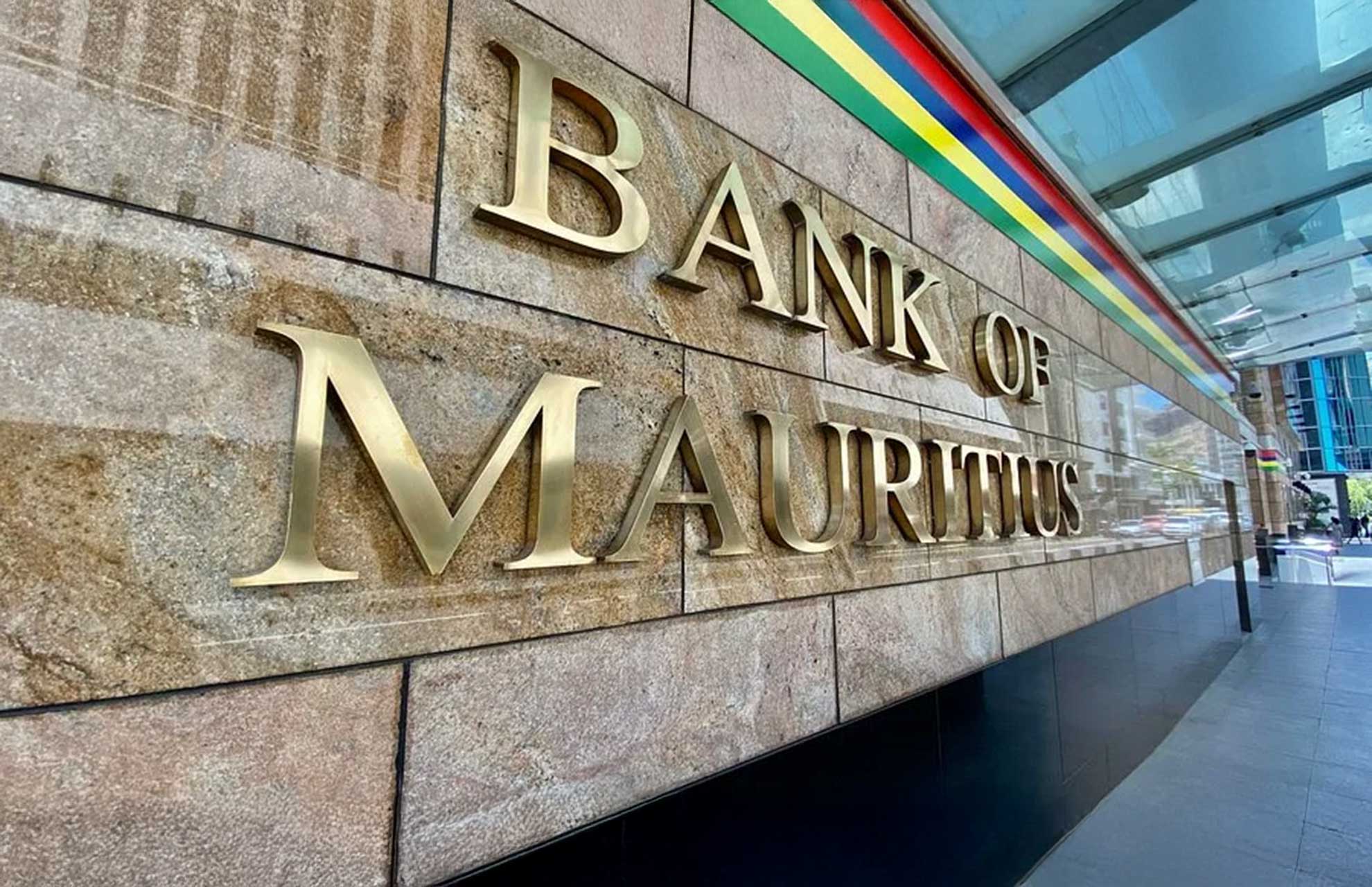
Financial services contribute 13.3 percent of GDP and represent a core competitive advantage for Mauritius.
International Financial Centre Status
Mauritius is recognized as Africa's leading International Financial Centre. Ranked 52nd globally in the Global Financial Centres Index.
The jurisdiction maintains an investment grade rating of Baa3 from Moody's, reflecting strong institutions, stable politics, and sound economic management.
Banking Sector
Mauritius has a well developed banking sector. Both domestic and international banks operate on the island. The Bank of Mauritius serves as the central bank, regulating monetary policy and supervising financial institutions.
Banks in Mauritius offer corporate banking, private banking, wealth management, and trade finance services. International banks use Mauritius as a platform for African operations.
Fund Administration
Mauritius is a major center for fund administration. Investment funds, private equity funds, and hedge funds use Mauritius for domiciliation and administration.
The regulatory framework supports various fund structures. Service providers offer fund administration, accounting, valuation, and compliance services.
Insurance and Reinsurance
Insurance companies operate in Mauritius serving both domestic and international markets. Captive insurance structures are permitted. Reinsurance operations serve regional markets.
Wealth Management
High net worth individuals use Mauritius for wealth structuring. Family offices establish presence on the island. Wealth management firms provide investment advisory, estate planning, and succession planning services.
Stock Exchange
The Stock Exchange of Mauritius provides a platform for listing equities, bonds, and other securities. Both domestic companies and international issuers use the exchange.
Why 1Stop Connect for Mauritius
We have been operating in Mauritius since 2018. We understand the jurisdiction. We know the regulators. We work with the best local service providers.
Company Formation Services
We handle the complete incorporation process. Name reservation and availability checks. Preparation of Constitution and incorporation documents. Submission to Registrar of Companies. Obtaining Certificate of Incorporation. Application for Global Business License where required.
We can complete standard incorporations in 3 working days. Rush services available for urgent situations.
Registered Office and Agent Services
Every Mauritius company requires a registered office and registered agent. We provide both.
Our Port Louis office serves as your company's official address. We receive official correspondence, maintain statutory registers, and ensure compliance with filing requirements.
Substance Solutions
This is critical. We help you establish the appropriate level of substance for your activities.
For passive holding structures, we can arrange nominee directors with actual decision making authority. For active trading companies, we can provide serviced office space, hire local employees, and set up full operational presence.
Our substance solutions are real. Not paper exercises. We document everything properly to withstand scrutiny from tax authorities and regulators.
Compliance and Tax Advisory
We provide ongoing compliance support. Annual filing requirements. Economic substance reporting. Beneficial ownership updates. License renewals.
Our tax advisors help structure operations to maximize treaty benefits while ensuring full compliance. We coordinate with international tax counsel where cross border issues arise.
Corporate Administration
We can serve as your corporate administrator, handling board meetings, resolutions, share transfers, and other corporate actions.
For clients who prefer to manage internally, we provide training and guidance on Mauritius company law requirements.
Why Work With Us
You could work directly with a Mauritius service provider. Many clients do. But here is what we bring to the table.
Experience across jurisdictions: We have incorporated companies in over 40 jurisdictions. We understand how Mauritius fits into multi jurisdictional structures. We can advise on whether Mauritius is the right choice for your specific situation.
Honest advice: If Mauritius is not right for you, we will tell you. Sometimes Singapore makes more sense. Sometimes UAE. Sometimes Seychelles. We recommend what works best for your business, not what generates the highest fees.
Substance focus: We take substance seriously. We will not set up paper structures that fail at the first challenge. Our structures are designed to withstand scrutiny.
Long term support: We have been in business since 2018. We support clients for years, not just through initial formation. When regulations change, we help you adapt. When you need to restructure, we assist.
Transparent pricing: Our fees are clear and predictable. No hidden charges. No surprise invoices. You know what you are paying before you commit.
✓ Mauritius Advantages
- 13th globally for ease of doing business
- 3 day incorporation timeline
- 15% corporate tax (3% effective for GBC)
- 46 double taxation agreements
- No capital gains or inheritance tax
- Free profit repatriation
- Political stability and rule of law
- Skilled bilingual workforce
- Access to African markets via trade agreements
- Modern banking and financial infrastructure
⚠ Important Considerations
- Substance requirements must be satisfied
- Higher operating costs than some offshore centers
- Banking due diligence can be extensive
- Tax treaty benefits require legitimate business purpose
- India treaty amended with anti avoidance provisions
- Economic substance reporting required
- Not suitable for businesses targeting EU markets directly
- Time zone differences with Europe and Americas
Final Thoughts: Paradise with Purpose

Mauritius is a unique jurisdiction. It combines the infrastructure and stability of a developed economy with the tax advantages and flexibility of an offshore center. It offers access to African markets while maintaining international credibility.
But Mauritius is not for everyone. If you want a zero cost, zero substance, anonymous offshore company, look elsewhere. Those days are over everywhere, but especially in respected jurisdictions like Mauritius.
If you want a legitimate business structure that can withstand scrutiny, access double taxation treaties, and benefit from political and economic stability, Mauritius deserves serious consideration.
The island has transformed itself over six decades from a sugar colony to a financial hub. The same determination and strategic thinking that achieved that transformation continues today. Vision 2030 aims for high income status. The regulatory framework keeps pace with international standards. The business environment continues to improve.
When I walked through Port Louis in 2004, I saw potential. Today, that potential has been realized. Mauritius works. Not as a pure tax haven. Not as a secrecy jurisdiction. But as a sophisticated financial center that serves legitimate international business.
If that is what you need, let us help you make it happen.
Contact 1Stop Connect to discuss your Mauritius company formation. We provide honest advice, competitive pricing, and full service support from incorporation through ongoing compliance. Let us help you evaluate whether Mauritius is the right jurisdiction for your international business structure.
This article provides educational information about Mauritius company structures based on regulations as of December 2025. It is not legal advice. It is not tax advice. It is not a substitute for professional consultation.
Company formation laws, tax regulations, and substance requirements change. What is accurate today may change tomorrow. Licensing requirements vary by emirate and specific business activity. Banking policies change frequently.
Before forming any company structure, consult with licensed legal and tax professionals familiar with your specific situation. 1Stop Connect provides company formation services and can connect you with appropriate legal and tax advisors as needed.
The information here is accurate to our knowledge as of publication but carries no warranty. Laws change. Regulations evolve. Always verify current requirements before proceeding.
If you would like to discuss your specific situation, contact us directly. That is exactly what we are here for.