When people first hear Rwanda mentioned in the context of business, there is often a pause. A hesitation. The country's name still carries associations that have nothing to do with its present. I understand that reaction. I had it myself, years ago.
Then I visited Kigali for the first time. I walked around a city that was cleaner than most European capitals I know. I met entrepreneurs from twenty different countries building companies in a place where a business can be registered in a single day. I spoke with government officials who could answer detailed questions about the investment code without consulting a manual. And I started to understand why Paul Kagame, Rwanda's president, has publicly stated his ambition to make Rwanda the Singapore of Africa.
That comparison is not hyperbole. It is a strategic blueprint. Singapore was a small, resource-poor nation that chose governance, connectivity, and openness as its competitive advantages. Rwanda, a landlocked country of 14.9 million people with limited natural resources by regional standards, is following an almost identical playbook. The results, while still a work in progress, are already remarkable enough to deserve serious attention from any entrepreneur or investor looking at Africa.
I have helped clients form companies across UAE, Caribbean, European, and Asian jurisdictions. Rwanda is not yet in the same league as Singapore in terms of financial infrastructure. But for the right kind of business, at the right stage of growth, it offers something genuinely rare: a stable, clean, digitally governed environment in the heart of East Africa, with access to a market of more than 500 million people and tax incentives that few jurisdictions can match.
Let me walk you through what you actually need to know.
Rwanda in Numbers: Population, Economy, Expats
Before deciding whether a country deserves serious consideration as a business destination, you need to understand its fundamentals. Here is what the numbers tell you about Rwanda in 2026.

Population and Demographics
Rwanda has a total population of approximately 14.9 million people as of 2026, according to Worldometer's elaboration of United Nations data. The country is one of the most densely populated nations on the African continent, with 604 people per square kilometer despite its small land area of 24,670 square kilometers.
The median age is just 20.2 years. This is not simply a statistic. It means Rwanda has one of the youngest workforces on earth. A workforce that is increasingly educated, increasingly urban, and increasingly connected. The government's education investment shows clearly in literacy rates that have risen dramatically since the early 2000s.
Kigali, the capital and commercial heart of the country, has an estimated population of 1.37 million in the urban agglomeration as of 2026, growing at approximately 3.3 percent annually. It is where almost all significant business activity takes place, where the major banks are headquartered, and where the Rwanda Development Board runs its digital one-stop center for business registration.
The Expat Community

The expat community in Kigali is small by international standards but growing steadily. Current estimates suggest between 15,000 and 20,000 foreign nationals are resident in Kigali at any given time, drawn from across Africa, Europe, North America, and increasingly Asia. This number has grown significantly since Rwanda positioned itself as an African Union and Commonwealth conference hub, hosting major international events that bring business visitors who often decide to stay.
The expat community skews heavily toward development sector professionals, NGO workers, tech entrepreneurs, and regional executives of international companies using Kigali as their East African base. It is a small and well-connected community. The kind of place where you will run into the same people in the business district, at the gym, and at the same three or four restaurants that have earned a reputation for reliability.
East African Community citizens from Kenya, Uganda, Tanzania, Burundi, South Sudan, and the Democratic Republic of Congo do not require work permits in Rwanda. This creates a natural pool of regional talent that does not exist with the same ease in most other African jurisdictions.
Income Levels
Understanding income levels in Rwanda requires separating two very different economies that coexist in the same country. The national average income is low by global standards, reflecting Rwanda's agricultural base where subsistence farming remains widespread outside the capital. GDP per capita stood at approximately 1,050 USD in 2024 at current market prices.
Kigali tells a different story. For skilled Rwandan professionals working in finance, technology, hospitality management, or the public sector, monthly salaries of 350 to 600 USD are common. For mid-level managers in international organizations or larger private companies, 800 to 1,500 USD per month is a reasonable range.
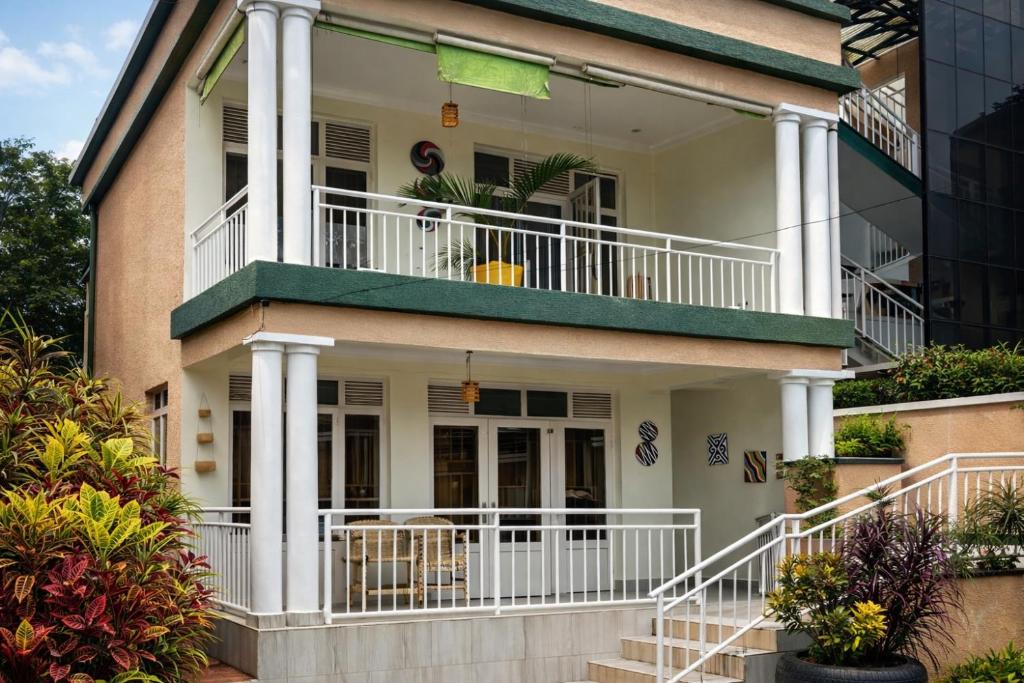
For expatriate executives, market rates vary considerably by sector and company origin. Entry level international professionals typically earn 2,000 to 3,500 USD per month including housing allowances. Senior executives of regional operations commonly earn 5,000 to 10,000 USD per month in total compensation. The cost of living in Kigali has risen sharply over the past decade, particularly for accommodation in the neighborhoods preferred by expats such as Kiyovu, Kimihurura, and Nyarutarama. A decent two-bedroom apartment in a good Kigali neighborhood runs 800 to 1,500 USD per month.
Economic Performance
Rwanda's economic track record since 2000 is genuinely extraordinary. The country averaged GDP growth of 8.2 percent between 2010 and 2019. After COVID disruptions, growth has resumed strongly. The National Institute of Statistics of Rwanda reported GDP growth of 11.8 percent in the third quarter of 2025, driven by services, construction, and industrial output.
The services sector accounts for approximately 50 percent of GDP and grew 9 percent in the first half of 2025. Tourism reached 647 million USD in 2024, a 4.3 percent annual increase. The UAE is now Rwanda's largest export destination, with exports surpassing 1.55 billion USD in 2024, according to the US Department of Commerce Rwanda Market Overview.
Rwanda ranks 43rd globally in the Transparency International 2024 Corruption Perception Index, making it one of the four least corrupt nations in Africa. This is not a minor detail for a business operator. Corruption is a cost of doing business. When it is low, predictability is high. And predictability is what serious investors actually need.
Why Rwanda Is Interesting for Business
Rwanda's appeal as a business destination is not built on one advantage. It is built on a combination of factors that, taken together, create something unusual for Sub Saharan Africa: a functioning, consistent, and reforming business environment where the rules are clear and generally applied as written.
The Singapore Blueprint
Paul Kagame's government has studied the Singapore model with genuine intent. The parallels are deliberate. Both are small nations without significant natural resources. Both bet on governance quality, infrastructure investment, and openness to foreign capital as their competitive strategy. Both positioned themselves as regional hubs rather than trying to compete as large domestic markets.
Rwanda is not Singapore yet. Singapore has 55 years of compounding institutional development. Rwanda has 30 years of rebuilding from near-complete destruction. But the trajectory is more impressive than almost anywhere else in Africa, and the starting ambition is stated explicitly and pursued with unusual discipline.
Speed and Simplicity of Registration
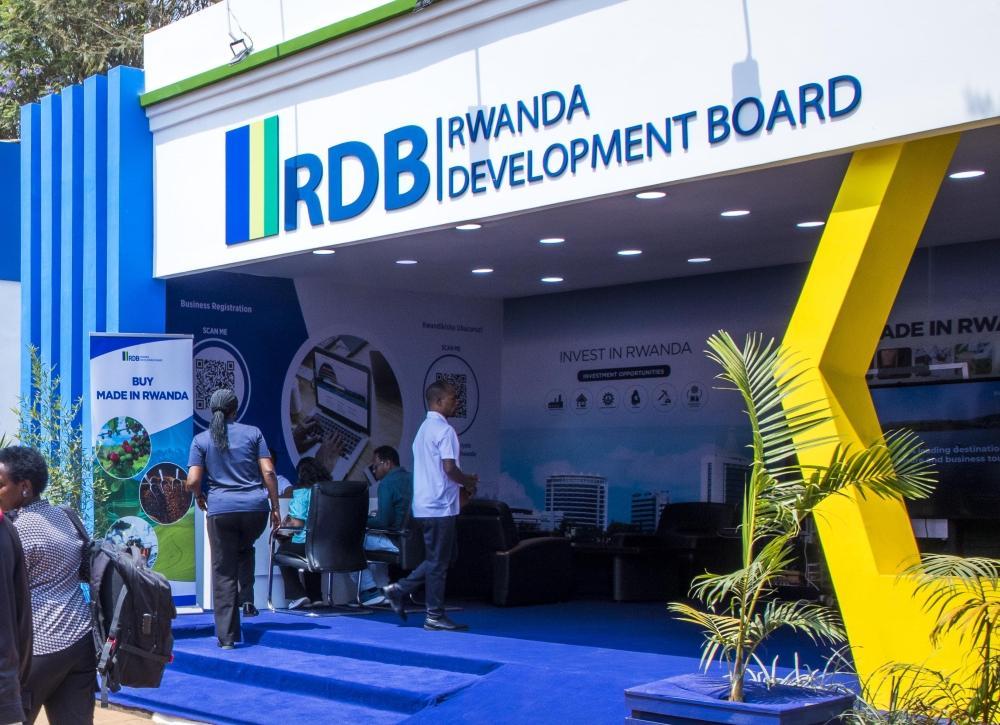
Rwanda's Rwanda Development Board runs a fully digital business registration system. A company can be incorporated online in as little as six hours. The entire process is paperless. You receive a digital business registration certificate. You do not visit a notary. You do not submit physical paperwork to multiple offices. You do it through the RDB portal, pay the fees, and receive your registration by email.
In a region where company registration can take months and require in-person visits to multiple government offices, this is transformative. It signals something important: this is a government that has made a policy choice to make itself easy to deal with, and then actually implemented that choice in its systems.
Market Access
Rwanda's geographic position is often cited as a weakness because it is landlocked. The more relevant reality is that Kigali sits at the intersection of East and Central Africa, with direct flights to major African hubs and a government that has actively built the transport and logistics infrastructure to compensate for its lack of coastline.
Through its membership in the East African Community, COMESA, and the African Continental Free Trade Area, a company based in Rwanda has preferential access to a combined market of well over 1.4 billion consumers. A regional headquarters in Kigali can serve East Africa, Central Africa, and parts of Southern Africa from a single base with genuine trade preferences.
Digital Infrastructure and Innovation
Rwanda has invested heavily in digital infrastructure. Fiber optic coverage reaches a significant portion of the country, and 4G mobile connectivity is widespread. The government runs its own digital identity system. Tax registration happens online. Business permits are obtained digitally. Most government interactions that used to require in-person visits can now be completed through the Irembo platform.
Kigali Innovation City is a purpose-built technology and innovation campus under development adjacent to the University of Rwanda. It is designed to attract technology companies, research institutions, and startups, and is supported by partnerships with institutions including Carnegie Mellon University Africa, which has its only African campus in Kigali.
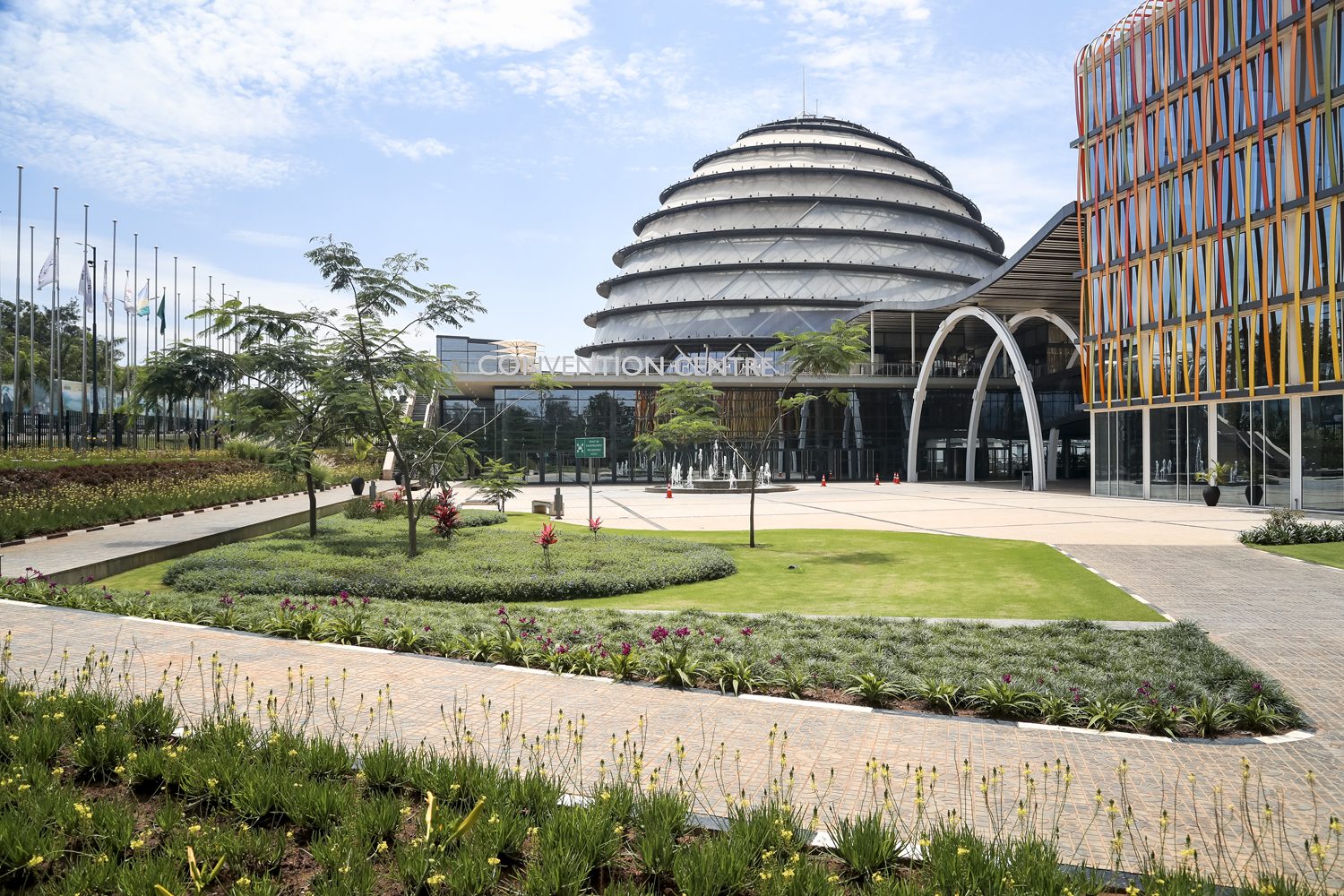
Rwanda hosted 115 major international conferences in 2024 alone, welcoming over 52,000 delegates and generating 84.8 million USD in MICE revenue. The African Union Summit, Commonwealth Heads of Government meetings, and numerous sector conferences have all been held in Kigali. This is not incidental. It is deliberate strategy to position Rwanda as the intellectual and diplomatic hub of Africa, and it works as a direct pipeline of high-value business visitors who often become investors.
Company Types You Can Establish in Rwanda
Rwanda does not have a traditional offshore company structure like you find in the Cayman Islands, BVI, or Nevis. It does not operate as a secrecy jurisdiction. What Rwanda offers instead is a transparent, well-governed corporate law framework with genuine tax incentives for specific structures and activities. Here is what you can form.
Limited Liability Company (LLC)
The Private Limited Company, which functions identically to an LLC, is the most commonly used structure for foreign investors in Rwanda. It provides limited liability protection, flexible management structure, and is the vehicle most readily accepted by banks, government agencies, and partners.
The minimum share capital is 1 million Rwandan Francs, which is approximately 750 USD at current exchange rates. This is accessible for virtually any investor. The company must have at least one director and one shareholder, who can be the same person, and both can be foreigners. No Rwandan partner or director is required by law, although having local knowledge and presence is practically important for operating successfully.
Registration is done through the RDB's online portal. Processing typically takes one to three business days for standard applications. You will need proof of identity for all shareholders and directors, a company name reservation, and a statement of proposed business activities.
Public Limited Company (PLC)
The Public Limited Company structure is used by larger businesses that may seek to list on the Rwanda Stock Exchange or raise capital from a wider pool of investors. It requires higher minimum capital and more extensive governance structures including an audit requirement. For most foreign investors entering Rwanda, a PLC is not the starting structure. It is typically adopted later as a business grows and considers public capital markets.
Branch Office
A foreign company can establish a Branch Office in Rwanda without creating a separate legal entity. The branch is an extension of the parent company, which retains liability for the branch's activities. This can be appropriate for multinational companies testing the Rwandan market before committing to a fully incorporated local entity, or for companies whose contract or procurement structure requires them to appear as the foreign parent rather than a local subsidiary.
Branch registration requires filing the parent company's constitutional documents with the RDB, translated into English or French if necessary, along with a resolution authorizing the establishment of the branch and appointing a local representative.
Holding Company with Preferential Tax
This is one of the most strategically interesting options Rwanda offers. A registered investor licensed to operate as a pure holding company qualifies for a preferential corporate income tax rate of just 3 percent on holding income. This makes Rwanda a competitive jurisdiction for structuring regional African investments through a central holding entity.
To qualify for the holding company rate, the company must be registered as a certified investor with the RDB and meet the specific conditions set out in Rwanda's investment code. Qualifying holding company structures are regularly used by regional private equity funds and by multinational groups managing African subsidiary portfolios through a single Kigali entity.
Regional Headquarters with Zero Tax
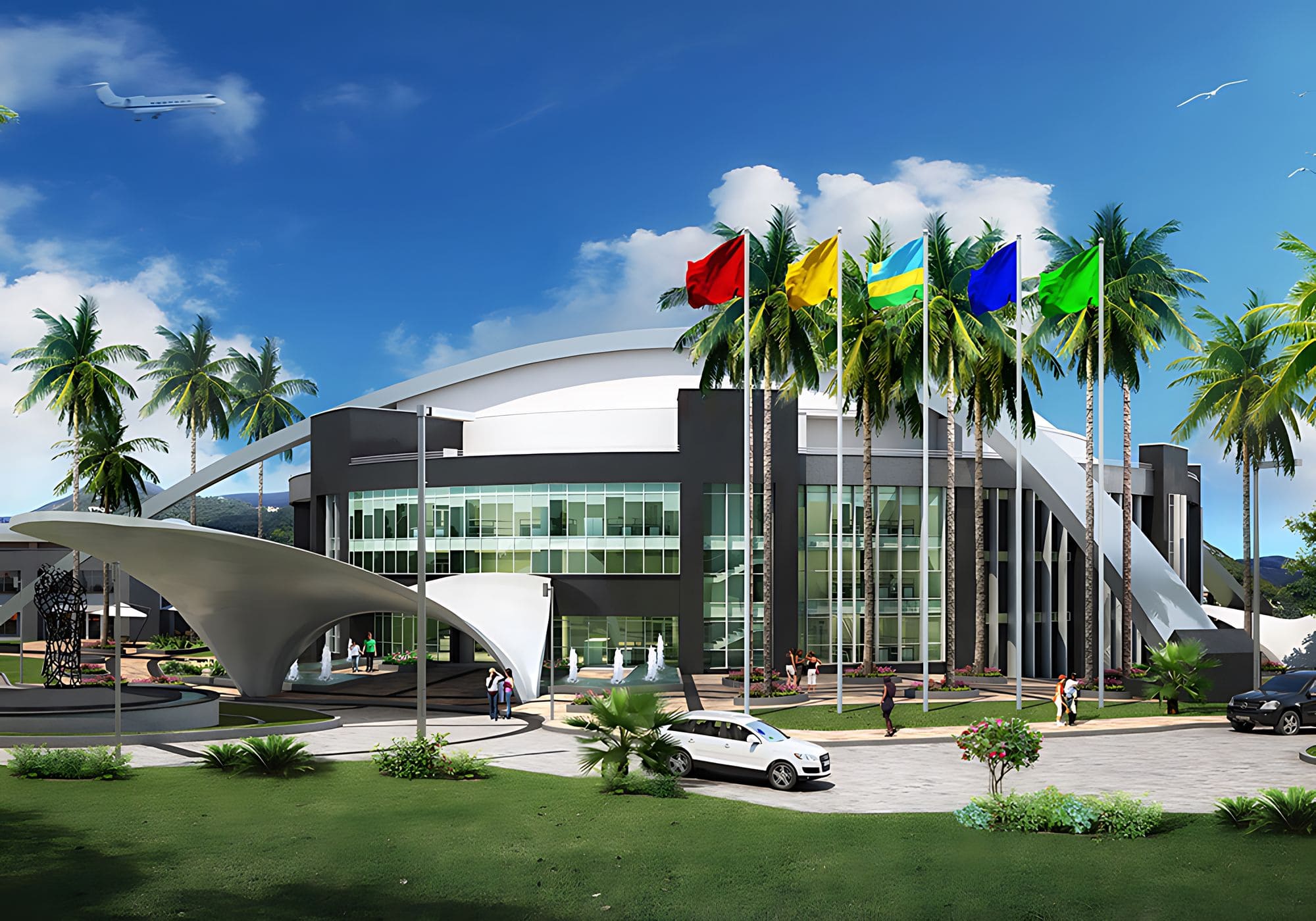
The most compelling structure for multinational companies is the Regional Headquarters designation. An international company that establishes its regional headquarters in Rwanda, meeting the RDB's requirements, qualifies for a 0 percent corporate income tax rate. Not a reduced rate. Zero.
The requirements include having genuine operational substance in Rwanda, employing a minimum number of staff in Kigali, and meeting investment thresholds set by the Private Investment Committee. This is not a shell arrangement. Rwanda requires real activity, real employees, and real operational presence. But for a company that genuinely needs an East African hub and is willing to base it in Kigali, this is a remarkable incentive.
Special Purpose Vehicle
A Special Purpose Vehicle registered for investment purposes in Rwanda also qualifies for the 3 percent preferential CIT rate. This makes Rwanda attractive for structured finance transactions, project finance vehicles, and real estate investment structures targeting African assets. Combined with Rwanda's membership in regional trade agreements and its double taxation treaty network, the SPV structure can create genuinely tax-efficient structures for African investment.
Rwanda is not a secrecy jurisdiction. If you are looking for anonymous nominee-director offshore structures with zero substance requirements, Rwanda is not your answer. What Rwanda offers is different: transparent governance, genuine tax incentives for qualifying structures, and a stable legal framework. These are advantages for legitimate business, not mechanisms for aggressive tax avoidance or financial opacity.
Tax Parameters: What You Actually Pay
Rwanda's tax system is more sophisticated than most people expect when they first look at the country. The headline rates are competitive by African standards, and the incentive structure for qualifying investors is genuinely exceptional. Here is a complete picture of what you will encounter.
Corporate Income Tax
The standard corporate income tax rate in Rwanda is 28 percent, effective from 2024, reduced from the previous rate of 30 percent. This is collected by the Rwanda Revenue Authority on the taxable business profit of the company. Full details of Rwanda's corporate tax framework are published by PwC's Rwanda Tax Summary, which is updated annually and is the most reliable reference for practitioners.
Rwanda operates a combined source and residence-based taxation system. Resident companies are taxed on worldwide income. Non resident companies are taxed only on Rwanda sourced income through a permanent establishment. A company is considered resident if it is incorporated under Rwandan law or has its place of effective management in Rwanda.
Small businesses with turnover between 12 million and 20 million Rwandan Francs pay a simplified lump sum rate of 3 percent of turnover rather than the standard CIT calculation. Micro enterprises below 12 million RWF in turnover pay flat amounts based on a published schedule. These thresholds are well below the scale at which most foreign investors will be operating.
Preferential Corporate Income Tax Rates

This is where Rwanda gets very interesting for structuring purposes.
0 percent CIT applies to international companies that establish their regional headquarters or offices in Rwanda, and to entities registered by philanthropic investors with approval from the Private Investment Committee.
3 percent CIT applies to pure holding companies, Special Purpose Vehicles registered for investment, collective investment schemes, global trading or paper trading companies on foreign-sourced trading income, and intellectual property companies on foreign-sourced royalties.
Tax holidays of 7 years are available for investments of at least 50 million USD in manufacturing, tourism, health, exports, energy projects generating at least 25 megawatts, and ICT. The investor must contribute at least 30 percent of this investment as equity. For businesses of this scale, a seven-year complete relief from corporate income tax is an extraordinary incentive.
5-year tax holidays are available for microfinance institutions and specialized innovation park developers or industrial park developers.
Newly listed companies on the Rwanda Stock Exchange enjoy reduced CIT rates for five years from the date of listing: 20 percent if they sell at least 40 percent of shares to the public, and 25 percent if they sell at least 30 percent.
Value Added Tax
VAT in Rwanda is charged at 18 percent on taxable goods and services. Registration for VAT is mandatory for businesses with annual turnover above 20 million Rwandan Francs, approximately 15,000 USD. For businesses selling to other businesses, input VAT can be recovered. For businesses providing services to international clients outside Rwanda, exports of services are typically zero-rated, meaning VAT does not apply to the export transaction.
Withholding Tax
Withholding tax at the standard rate of 15 percent applies to a range of payments including dividends, interest, royalties, and service fees paid to non-resident parties. A preferential rate of 5 percent applies to dividends and interest paid to investors in companies listed on the Rwanda Stock Exchange. A preferential rate of 10 percent applies to specialized innovation park or industrial park developers on interest on foreign loans, dividends, royalties, and service fees.
Capital Gains Tax
Capital gains on the direct or indirect sale of shares or debentures are taxed at 5 percent. Some transactions are exempt: sales of units in collective investment schemes, sales of shares on the capital market, and gains resulting from company restructuring in respect of the transferring company. Gains from the sale of commercial real estate are taxed at 30 percent.
Personal Income Tax
Personal income tax in Rwanda is progressive. It applies at 0 percent on the first 30,000 Rwandan Francs of monthly employment income, approximately 22 USD, and then rises through progressive bands to a maximum rate applicable to higher income earners. There is no special expatriate tax regime in Rwanda, meaning expatriates are taxed on the same progressive basis as Rwandan nationals once they are resident. For high-earning expatriates, personal tax planning with a qualified local advisor is important.
Social Security Contributions
Both employers and employees contribute to the Rwanda Social Security Board. From January 2025, employer contributions are 6 percent of gross salary and employee contributions are also 6 percent, with these rates scheduled to rise progressively to 8 percent each by January 2028. An additional 0.3 percent is required for the maternity leave benefit scheme. These are material costs for any business with local employees.
For most foreign entrepreneurs starting with a standard LLC in Rwanda, the standard 28 percent CIT applies. This is competitive for Africa but not exceptional by global standards. The real Rwanda tax story is the incentive structure: 0 percent for genuine regional headquarters, 3 percent for holding companies and SPVs, 7-year holidays for major investors. If your business qualifies for any of these structures, Rwanda can deliver tax efficiency that rivals almost any jurisdiction in the world.
Visa and Residency Requirements

Rwanda has one of the most open visa policies in Africa. This is not an accident. It is a deliberate choice by a government that understands how much friction in immigration imposes costs on foreign investment. The practical experience of actually getting into Rwanda and legally establishing yourself there is considerably better than most people expect for an African country.
Tourist and Business Entry Visa
Citizens of all countries can obtain a visa upon arrival in Rwanda. For most nationalities, the standard tourist visa costs 50 USD and is valid for 30 days, extendable. Citizens of countries that are members of the African Union, Commonwealth, and La Francophonie receive their visa free of charge for a visit of up to 30 days. East African Community citizens receive a pass free of charge for up to six months.
Certain countries have visa waiver arrangements for 90-day stays at no cost, including Qatar, Singapore, the Philippines, Indonesia, Mauritius, Ghana, and several others. Applications can be made online through the Directorate General of Immigration and Emigration or obtained at the border on arrival.
Prospective Investor Visa
The Class V6 prospective investor visa is specifically designed for foreign nationals who want to visit Rwanda to explore business opportunities before committing to incorporation or residency. It is issued for 90 days and allows multiple entries, giving a potential investor time to conduct due diligence, meet government officials, explore office space, and set up a company without being in a rush. The application is processed through the Irembo digital portal. According to practitioners in Rwanda, the process typically takes one week from application to approval.
Work Permits
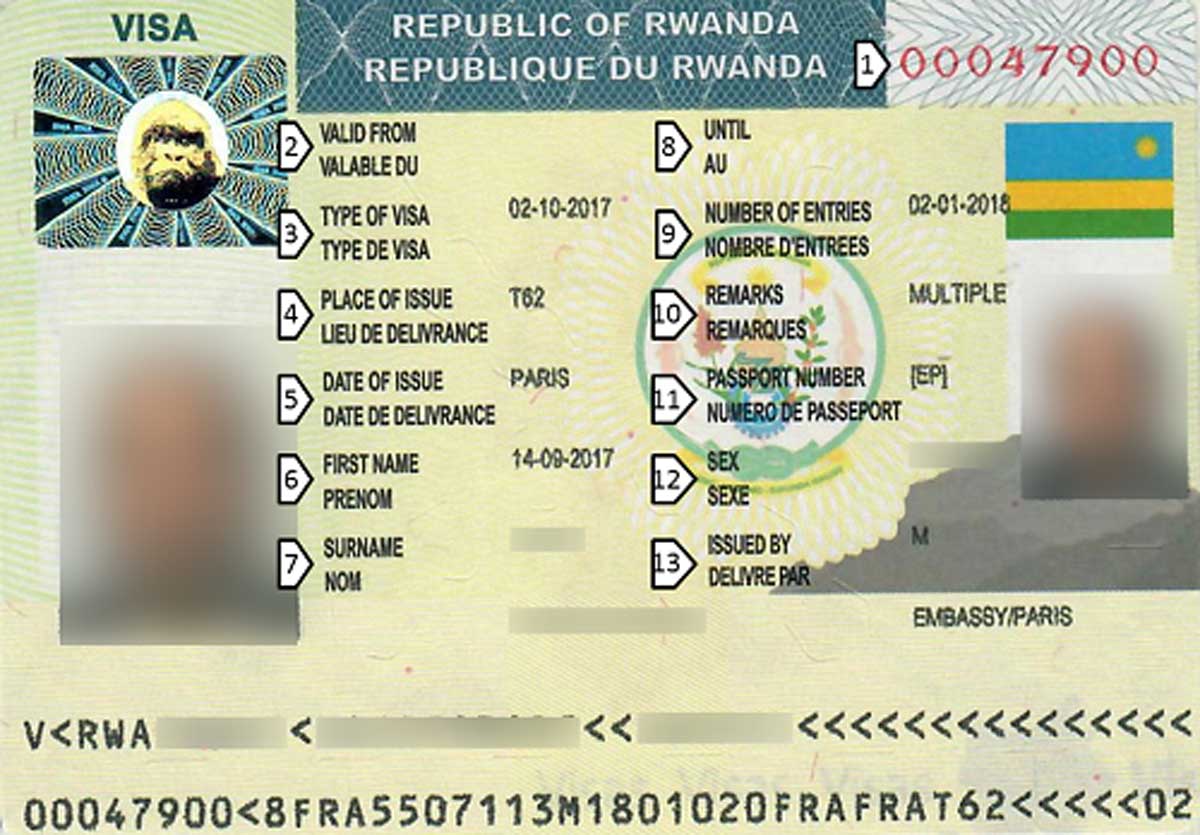
Foreign nationals intending to work in Rwanda need a work permit. Rwanda offers sector-specific investor permits across multiple industries including manufacturing, hospitality, information technology, transport, logistics, mining, agriculture, and a general category for other sectors. These are processed by the immigration directorate and are category-specific, meaning you apply under the permit class that matches your actual business activity.
The most common standard work permits are Class A at 200 USD and Class B at 250 USD, with processing taking approximately one week when documentation is complete. An 18-month multiple-entry residence permit with work authorization is the standard outcome for a company director who has incorporated a local entity and been appointed managing director. The application process is done digitally through the Irembo portal.
Importantly, employers must be registered with the Rwanda Directorate General of Immigration and Emigration to sponsor foreign workers. This means you need your company registration completed before applying for a sponsored work permit. The practical sequence is: register company first, then apply for work permit as director or employee of that company.
Investor Residency and Permanent Residence
The investor residency pathway in Rwanda is structured and accessible. Rwanda's investment law provides permanent residence and access to land for investors who deposit 500,000 USD in a commercial bank in Rwanda for a period of not less than six months. For smaller investors, temporary residence permits tied to ongoing business activity serve as the standard approach, renewable as long as the business remains active and compliant.
The minimum initial capital investment requirement for foreign investors is 250,000 USD. This applies to investors seeking formal registration with the RDB as a certified investor and access to the associated incentives. Investments below this threshold can still be registered as local companies but may not qualify for the same range of incentives available to certified investors.
Dependent Permits
Spouses and dependent children of primary permit holders can obtain dependent residence permits. This is processed through the same immigration system once the primary permit holder has established their own status. Rwanda is generally family-friendly from an immigration standpoint, and the logistics of relocating a family to Kigali, while requiring planning, are manageable by the standards of African jurisdictions.
The formal rules are favorable. The practical experience is also better than most African jurisdictions. One entrepreneur who established a manufacturing company in Kigali described applying for an 18-month work permit through the Irembo portal and receiving a call from the immigration department within three hours of pressing submit, asking for clarifications. The permit was approved the same day. That kind of responsiveness is rare in any jurisdiction, African or otherwise.
Who Is Already There: Three Known Companies
The most convincing argument for any business destination is not what the government promises. It is what established companies with real resources and real alternatives have actually decided to do. Here are three significant international organizations that have made meaningful commitments to Rwanda.
1. MasterCard — Africa Technology Hub
MasterCard chose Kigali as the location for its Africa technology hub. This was not a small or symbolic decision. MasterCard is a global payments technology company with the resources to base its African operations in any city on the continent. It chose Kigali.
The rationale included Rwanda's digital infrastructure, its governance stability, its relatively reliable power supply, its English as an official language alongside Kinyarwanda and French, and its strategic position for reaching East and Central African markets. The MasterCard Foundation has also made one of its largest commitments in education and economic opportunity in Rwanda, reflecting long-term institutional confidence in the country's trajectory.
For any company considering establishing African technology operations, the fact that MasterCard's due diligence led to Kigali is worth significant weight. These are people with research budgets and Africa experience who looked at the entire continent and picked Rwanda.
2. Volkswagen — Africa's First Electric Vehicle Pilot

Volkswagen chose Kigali as the location for its first electric vehicle pilot program on the African continent. The e-Golf launch in 2019 was part of a broader partnership with the Government of Rwanda and Siemens to explore the infrastructure and market conditions for electric mobility in Africa.
The CEO of Volkswagen Group South Africa stated explicitly at the launch that Kigali was chosen because it had the fundamentals the company was looking for. Those fundamentals included a young and progressive urban population, supportive government policy, existing infrastructure investment, and a partner government willing to engage seriously on co-development of the project. Volkswagen's presence also signals Rwanda's compatibility with responsible corporate mandates around sustainability and clean energy, which increasingly drive location decisions for European multinationals.
3. Norrsken Foundation — Africa Headquarters

The Norrsken Foundation, the impact investment and entrepreneurship organization founded by Klarna co-founder Niklas Adalberth, chose Kigali for its African headquarters and flagship co-working space, Norrsken House Kigali. This is now one of Africa's largest hubs for startups and entrepreneurs, housing companies from across the continent and beyond.
Norrsken House Kigali is not a small development. It is a purpose-built facility reflecting serious long-term investment in Rwanda as the center of gravity for African entrepreneurship. The foundation's network brings deal flow, mentorship, and investor access to companies operating from Kigali, creating a reinforcing ecosystem effect. The presence of Norrsken also attracts the category of entrepreneur that attracts venture capital, which is itself a meaningful signal for anyone thinking about Rwanda's future trajectory as a business hub.
None of these three organizations had to choose Kigali. MasterCard could have chosen Nairobi, Lagos, or Johannesburg. Volkswagen could have launched its African EV project in South Africa. Norrsken could have built in Cape Town. The fact that serious, well-resourced organizations independently chose Rwanda, for different reasons and across different sectors, is more meaningful than any promotional material the government could produce.
How 1Stop Connect Helps
We work with international clients who are considering Rwanda as a business destination. We do not promote Rwanda as the answer for everyone. It is not. But for the right kind of investor or entrepreneur, it offers a combination of advantages that deserves serious consideration, and we can help you evaluate whether it fits your specific situation.
Company Formation
We handle the complete company formation process in Rwanda through the RDB's digital system. This includes name reservation, preparation of the required documentation, filing, and receipt of the digital registration certificate. We can complete a standard LLC registration within three to five business days for most clients.
For clients seeking to qualify for preferential tax treatment, whether as a holding company, SPV, or regional headquarters, we work with local legal and tax advisors to structure the application and the entity correctly from the outset. Getting the structure right before registration is significantly easier than restructuring after the fact.
Investor Registration and Incentives
Qualifying for Rwanda's tax incentives requires formal registration as a certified investor with the RDB. This process involves submitting a detailed investment proposal, demonstrating qualifying investment thresholds, and applying for the relevant incentive category. We guide clients through this process and help ensure the application clearly meets the criteria the RDB applies in its evaluation.
Visa and Immigration Support
We help clients understand which visa category applies to their situation and prepare the documentation required for work permit applications. This includes preparation of company documentation showing active business registration, employment contracts, and other supporting materials that the immigration directorate reviews in processing applications.
Banking Introduction
Opening a business bank account in Rwanda is more straightforward than in many African countries but still requires preparation. We introduce clients to banking partners and help prepare the documentation package that Rwandan banks require, which typically includes the company registration certificate, tax registration certificate, shareholder identity documents, business plan, and a clear explanation of the company's business model and expected transaction types.
Honest Assessment
Not every client who asks us about Rwanda should form a company there. If you need offshore anonymity, Rwanda is the wrong jurisdiction. If you need access to European banking infrastructure from day one, Rwanda requires additional planning. If your business model requires immediate access to Nigerian or South African consumers, Kigali may not be your primary base.
We will tell you this directly. We will also tell you when Rwanda genuinely fits, because for the right kind of business, the combination of a 0 percent or 3 percent CIT rate, a six-hour incorporation process, access to 1.4 billion consumers through trade agreements, and a stable, clean governance environment is genuinely exceptional.
This article provides educational information about business formation and investment in Rwanda based on information available as of April 2026. It is not legal advice. It is not tax advice. It is not a substitute for professional consultation with licensed legal and tax professionals familiar with Rwandan law and your specific circumstances.
Company formation laws, tax regulations, incentive conditions, visa requirements, and exchange rate conditions change. What is accurate today may change. Before forming any company structure or relocating operations, consult with licensed professionals. 1Stop Connect provides company formation services and can connect you with appropriate legal and tax advisors in Rwanda as needed.
The information here is accurate to our knowledge as of publication but carries no warranty. Laws change. Regulations evolve. Always verify current requirements with the Rwanda Development Board, Rwanda Revenue Authority, and the Directorate General of Immigration before proceeding.
If you would like to discuss your specific situation, contact us directly. That is exactly what we are here for.